
Tree Planting
Tree planting is a vital practice in environmental conservation and landscaping, contributing significantly to biodiversity and ecosystem health. The process of tree planting begins with careful planning and selection of appropriate tree species based on factors such as climate, soil type, and intended purpose. Before planting, it's crucial to prepare the soil by loosening it to facilitate root growth and ensure adequate drainage. This preparation helps the young tree establish itself more effectively in its new environment.
Once the soil is ready, the next step is to carefully handle the tree seedlings or saplings to avoid damaging the delicate roots and shoots. Proper handling ensures that the tree has the best chance of survival and growth after planting. Digging the planting hole to the correct depth and width is essential to accommodate the roots without overcrowding or excessive bending. Placing the tree in the hole at the right depth, ensuring the root collar is level with the soil surface, is crucial for the tree's stability and future growth.
After planting, it's essential to backfill the hole with the original soil and gently tamp it down to eliminate air pockets that can hinder root development. Watering the newly planted tree thoroughly helps settle the soil around the roots and provides essential hydration during the critical establishment phase. Mulching around the base of the tree helps retain moisture, regulate soil temperature, and suppress weed growth, all of which contribute to the tree's health and vigor.

Hedge Trimming
Hedge trimming is a fundamental aspect of maintaining a neat and attractive landscape, whether in residential gardens, public parks, or commercial properties. It involves the careful shaping and pruning of hedges to promote healthy growth, enhance visual appeal, and maintain desired size and density.
The process of hedge trimming typically begins with assessing the hedge's current state and determining the desired shape and size. This initial planning ensures that the trimming achieves aesthetic goals while preserving the hedge's health. Proper timing of trimming is essential, often done during the growing season to encourage new growth and maintain the hedge's structure.
Tools used for hedge trimming vary depending on the hedge's size and complexity but commonly include hedge trimmers, shears, and pruning saws. These tools allow for precise cutting of branches and foliage, ensuring clean edges and uniform appearance. Techniques such as topiary trimming can create intricate shapes and designs, adding artistic elements to formal gardens or landscapes.
During trimming, attention is paid to removing dead or diseased branches, which promotes overall hedge health and reduces the risk of pest infestations. Proper disposal of trimmings is also essential to prevent the spread of diseases and maintain cleanliness in the landscape.

Lawn Mowing
Lawn mowing is a foundational practice in lawn care, essential for maintaining a neat, healthy, and visually appealing lawn. It involves cutting grass to a uniform height using specialized equipment, such as lawn mowers, to promote even growth and lush greenery.
The process of lawn mowing begins with assessing the lawn's condition and adjusting the mower height accordingly to achieve the optimal grass length. This initial step ensures that the grass blades are not cut too short, which can stress the lawn and make it more susceptible to weeds and diseases.
Proper mowing techniques include mowing in different directions with each session to prevent grass from leaning in one direction and to achieve an even cut. This practice also helps prevent soil compaction and promotes healthier root growth by allowing sunlight and air to reach the grass blades and soil surface.
Regular mowing intervals depend on grass type, weather conditions, and growth rate but typically range from once a week during peak growing seasons to less frequent mowing during dormant periods. Consistent mowing helps maintain a tidy appearance and prevents the lawn from becoming overgrown, which can lead to an unkempt and unsightly landscape.

Garden Weeding
Garden weeding is a necessary practice in maintaining a healthy and thriving garden environment, free from unwanted plants that compete with cultivated plants for nutrients, water, and sunlight. It involves the careful removal of weeds, which can be any plant growing where it is not wanted, often among desired plants in gardens, flower beds, or vegetable patches.
The process of garden weeding begins with identifying weeds versus desirable plants. Weeds can vary widely in appearance and growth habits, from broad-leaved plants to grassy species, and understanding their characteristics helps in effectively targeting and removing them. Hand tools such as garden hoes, hand weeders, or trowels are commonly used to uproot weeds, ensuring that their roots are completely removed to prevent regrowth.
Regular and timely weeding is crucial to prevent weeds from establishing themselves and competing with cultivated plants for resources. Weeding is often done after rainfall or watering when the soil is moist, making it easier to pull out weeds and their roots intact. Mulching garden beds can also suppress weed growth by blocking sunlight and reducing soil moisture, creating a more favorable environment for desired plants.
In addition to manual weeding, cultural practices such as proper spacing between plants, regular watering, and adequate fertilization can help maintain healthy plants and reduce weed growth. Some gardeners also use organic or synthetic herbicides selectively to control persistent or invasive weeds, following manufacturer instructions and environmental guidelines.

Tree Lopping
Tree lopping is a term used to describe the practice of trimming or cutting back branches and limbs of trees. It is often done for specific reasons such as improving tree health, enhancing aesthetics, managing tree size, or mitigating safety risks.
The process of tree lopping begins with assessing the tree and determining the objectives of the lopping. This may include removing dead, diseased, or damaged branches to promote overall tree health and prevent the spread of diseases. Lopping can also involve reducing the size or reshaping the canopy to improve the tree's appearance or maintain clearance from structures, power lines, or roads.
Tools used for tree lopping vary depending on the size and height of the tree but may include pruning saws, chainsaws, pole pruners, and ropes or harnesses for safe access to higher branches. Proper safety measures are essential during tree lopping to protect both workers and surrounding property.
Techniques used in tree lopping include selective pruning to remove specific branches while preserving the tree's natural form and structural integrity. Careful consideration is given to the location of cuts to promote rapid healing and minimize stress on the tree. Large branches are often removed in sections to prevent damage to the trunk and surrounding branches.

Rubbish Removal
Rubbish removal is the process of systematically clearing and disposing of unwanted materials, debris, or waste from various environments, including residential, commercial, and industrial settings. It plays a crucial role in maintaining cleanliness, hygiene, and safety while promoting environmental responsibility.
The process of rubbish removal typically begins with identifying and categorizing different types of waste materials. This can include general household waste, green waste (such as garden clippings and leaves), construction debris, old furniture, appliances, and hazardous materials. Proper identification helps ensure that materials are disposed of or recycled in accordance with local regulations and environmental guidelines.
Tools and equipment used for rubbish removal vary based on the type and volume of waste. These may include bins, dumpsters, trucks, and specialized machinery for handling bulky or hazardous materials safely. In some cases, manual labor and hand tools are also employed to facilitate the collection and loading of waste materials.
Efficient rubbish removal involves systematic collection, sorting, and transportation of waste to designated disposal facilities, recycling centers, or landfills. Recycling efforts are often prioritized to minimize the environmental impact of waste disposal and promote sustainability. Materials such as metals, plastics, paper, and organic waste can be sorted and recycled, reducing landfill use and conserving natural resources.
General Cleaning
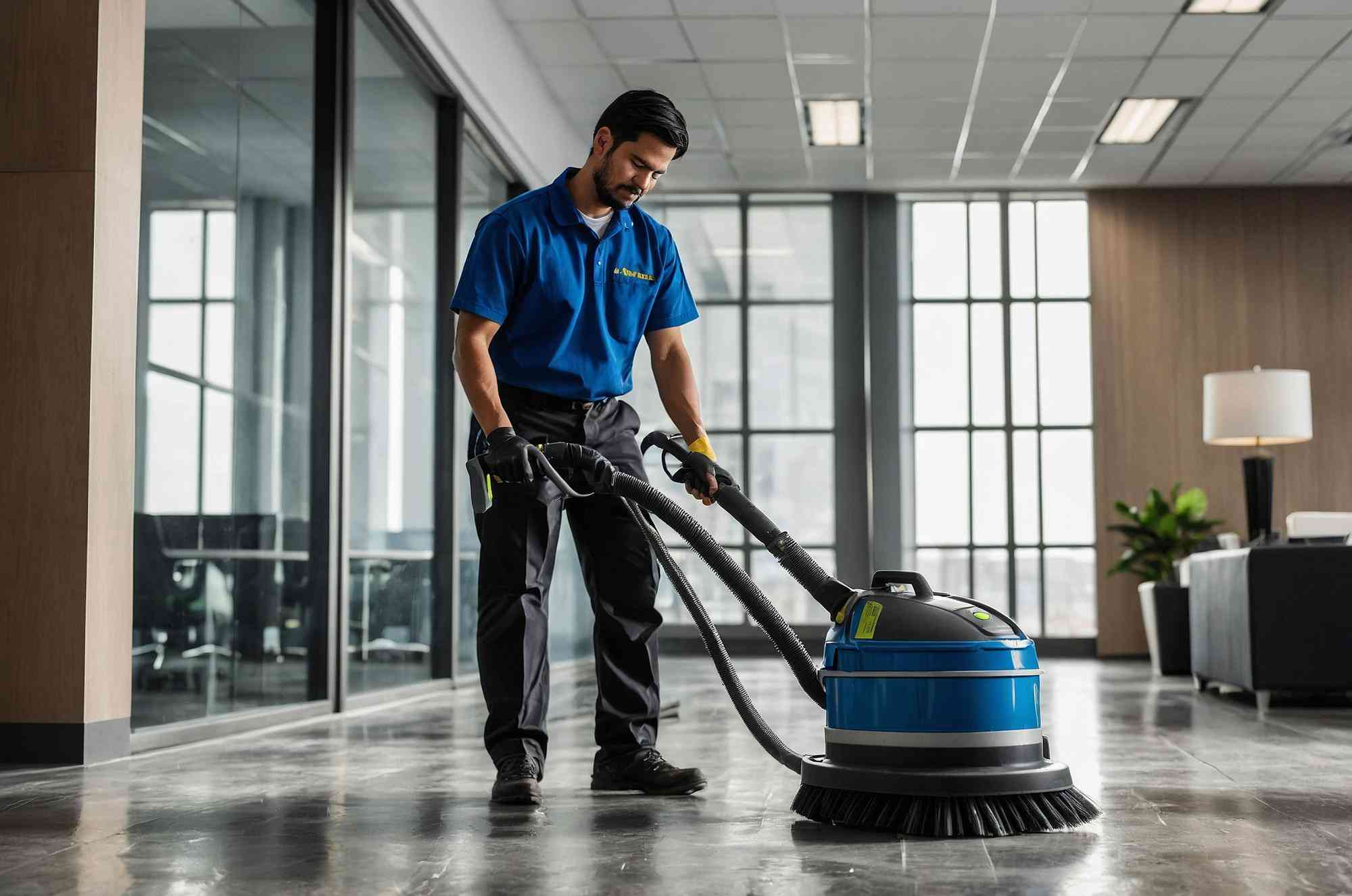
General cleaning refers to the systematic process of thoroughly cleaning and tidying up indoor spaces, such as homes, offices, and commercial establishments. It involves comprehensive cleaning of surfaces, furniture, fixtures, and appliances to maintain hygiene, organization, and a pleasant environment.
Dusting and wiping down surfaces, including countertops, shelves, tables, and other furniture, to remove dust, dirt, and grime.
Tools and equipment commonly used for general cleaning include vacuum cleaners, mops, brooms, dusting tools, microfiber cloths, cleaning solutions, and disinfectants. Depending on the size and complexity of the cleaning job, professional cleaning services may also utilize specialized equipment and techniques to achieve superior results efficiently.
Regular general cleaning is essential for maintaining a healthy and comfortable living or working environment. It helps reduce allergens, prevent the spread of germs and pathogens, enhance indoor air quality, and prolong the lifespan of furnishings and surfaces. By investing in regular cleaning and maintenance, individuals and businesses contribute to overall well-being, productivity, and satisfaction in their spaces.